HONDA 77630-SDA-A01ZA Dash Heater Air Vents Left Right A/c Left/right
fits model: Accord. make: Honda. year: 2003–2007.
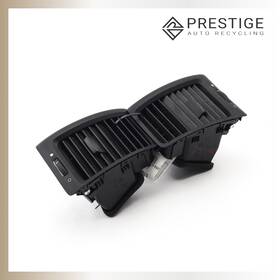
( Manufacturer Part Number: 77630-SDA-A01ZA ), ( Type: Air Vent ), ( Manufacturer Warranty: 1 Month ), ( Color: Black ), ( Features: Easy Installation ), ( Material: Plastic ), ( Vintage Part: No ), ( Placement On Vehicle: Dashboard, Left )
Review HONDA Dash A/c Heater Air Vents Left/right fits ACCORD 2003–2007
The **Honda 77630-SDA-A01ZA** is a high-quality, direct-fit replacement air vent assembly designed specifically for the **2003 2007 Honda Accord**, catering to both the **left and right side dashboard vents** responsible for distributing conditioned air throughout the cabin. Engineered to match the original equipment manufacturer (OEM) specifications, this vent assembly ensures a seamless fit, maintaining the vehicle s intended airflow dynamics while enhancing comfort and climate control. Crafted from durable, temperature-resistant materials, the vents are built to withstand the rigors of daily use, preventing warping, cracking, or degradation over time. The design incorporates precise ventilation slots and a sturdy mounting bracket, allowing for easy installation without the need for specialized tools or modifications. Whether replacing a damaged vent, upgrading for improved airflow, or addressing a leaky seal, this component restores optimal heating and air conditioning performance, ensuring a consistent and comfortable driving experience. Ideal for both DIY enthusiasts and professional mechanics, the **77630-SDA-A01ZA** combines reliability with ease of installation, making it a trusted choice for maintaining the integrity of your Honda Accord s interior climate system.
### **Pros and Cons of Buying a 2003-2007 Honda Accord (77630-SDA-A01ZA) Dash A/C Heater Air Vents (Left/Right)**
#### **Pros:**1. **Compatibility and Fitment** This part is specifically designed for the 2003-2007 Honda Accord, ensuring a proper fit without modifications. It is likely a direct replacement for the original air vents, reducing the risk of installation issues.
2. **Potential Cost Savings** Purchasing these vents as a set (left and right) may be cheaper than buying them separately from a dealership or aftermarket supplier. This can be a budget-friendly option for DIY repairs.
3. **Improved Functionality** If the original vents were damaged or malfunctioning (e.g., cracked, bent, or stuck), replacing them can restore proper airflow, heating, and cooling efficiency. This can enhance passenger comfort and reduce strain on the HVAC system.
4. **Aesthetic Consistency** Replacing worn or damaged vents ensures the dashboard retains its original appearance, which may be important for maintaining the vehicle s resale value or personal preference.
5. **Ease of Installation** Since these are standard replacement parts, they should be relatively straightforward to install, especially for someone with basic mechanical skills. The Honda Accord s design is well-documented, making it easier to find step-by-step guides or videos.
6. **Prevents Further Damage** If the vents are cracked or broken, moisture or debris could enter the dashboard, potentially leading to electrical issues, mold growth, or further deterioration of the interior materials. Replacing them proactively can prevent these problems.
7. **Availability of Parts** As a common Honda model, these vents are widely available from both OEM (Original Equipment Manufacturer) and aftermarket suppliers, giving you multiple options for sourcing.
---
#### **Cons:**1. **Age of the Vehicle** The 2003-2007 Honda Accord is an older model, which means the rest of the dashboard and interior components may also be worn out or failing. Replacing just the vents may not address underlying issues like electrical failures, rust, or structural damage.
2. **Potential for Counterfeit or Low-Quality Parts** If purchasing from an unknown seller (especially online), there is a risk of receiving counterfeit or substandard parts that may not fit correctly or last long. Always verify the seller s reputation and check for authenticity.
3. **Labor Costs if Not DIY** If you are not comfortable performing the repair yourself, labor costs at a dealership or auto shop could be high, potentially negating the cost savings of buying a parts separately.
4. **Hidden Damage** Even if the vents appear fine on the surface, there could be internal damage (e.g., corroded mounting brackets, frayed wiring, or damaged seals) that isn t immediately visible. This might require additional repairs beyond just replacing the vents.
5. **Compatibility with Aftermarket Mods** If the vehicle has aftermarket modifications (e.g., custom dash covers, heated seats, or upgraded HVAC systems), these vents might not fit perfectly or could interfere with existing modifications.
6. **Warranty or Recalls** Older vehicles may have unresolved recalls or warranty issues unrelated to the vents. Before purchasing, ensure the car s history is clear and that any necessary recalls have been addressed.
7. **Limited Longevity of Parts** Even new replacement parts may not last indefinitely, especially if the vehicle is frequently exposed to extreme temperatures, UV light, or harsh cleaning products. The plastic vents could crack again over time.
---
### **Conclusion:**Replacing the left and right dash A/C heater air vents on a 2003-2007 Honda Accord can be a practical and cost-effective solution if the primary issue is visible damage or malfunctioning vents. This repair can improve comfort, prevent further interior deterioration, and maintain the vehicle s appearance. However, it is important to consider the broader condition of the car, as older vehicles often have multiple underlying issues that may require attention.
If you are experienced with automotive repairs and the vents are the only noticeable problem, purchasing and installing these parts yourself is a reasonable choice. However, if the vehicle has a history of electrical issues, rust, or other mechanical failures, addressing those problems first may be more cost-effective in the long run.
---
### **Recommendation:**1. **Verify the Condition of the Vents** Before purchasing, inspect the vents closely for cracks, bent edges, or signs of mold/mildew. If they are only slightly damaged, they might still function adequately for now.
2. **Check the Vehicle s Overall Health** If the car has other known issues (e.g., failing HVAC motor, electrical gremlins, or dashboard cracks), prioritize those repairs or consider whether the vehicle is worth restoring.
3. **Source Parts from a Trusted Supplier** Purchase the vents from a reputable seller, such as an official Honda parts dealer, a well-reviewed online retailer (e.g., RockAuto, Amazon with verified sellers), or a local auto parts store. Avoid suspiciously cheap deals that may indicate counterfeit parts.
4. **Consider Professional Installation** If you are unsure about the installation process or lack the necessary tools, consult a mechanic to assess whether the repair is feasible or if additional work is needed.
5. **Budget for Potential Additional Repairs** If the vents are part of a larger dashboard issue (e.g., water damage, electrical shorts), allocate extra funds for a thorough inspection to avoid unexpected costs.
6. **Test the HVAC System After Installation** After replacing the vents, ensure that all airflow functions properly (heat, A/C, defrost) and that there are no unusual noises or leaks.
If the vents are the only significant issue and the rest of the car is in decent condition, replacing them is a worthwhile repair. However, if the vehicle has a history of neglect or multiple problems, weigh the cost of this repair against the overall value of the car. For most DIYers with basic tools, this is a manageable project that can extend the life of the vehicle s interior.
Details:
For local orders, pay on pickup available. All electronics are tested before removed from vehicle. Shipping prices for ground apply only to the continental USA. Item condition: The item is in good condition, fully operational, and demonstrates normal signs of use.
part #: 77630sdaa01za prices
- $55.38-$87.81
specifications interiocatruc:
- for models: Accord
- for makes: Honda
- for years: 2003-2007
- mpn: 77630-sda-a01za
- type: Air Vent
- manufacturer warranty: 1 Month
- color: Black
- features: Easy Installation
- material: Plastic
- vintage part: No
- placement on vehicle: Dashboard, Left
seller interiocatruc:
- city: Rancho Cordova, California
- rating: 100.0%
- # reviews: 4196
offer interiocatruc:
- quantity: 1
- availability: In Stock
- best offers: True
- sold: 0
- options: Ship-to-home
- started: February 3, 2026
shipping interiocatruc:
- service: Standard
- transit: 4-8 Days
- cost: $0.00
- type: Fixed
- class: Standard
general interiocatruc:
- condition: Used
- Interior Parts Accessories > Dash Panels Glove Boxes > Dash Panels
returns interiocatruc:
- time: 30 Days
- policy: Returns Accepted
- paid by: Buyer
payments interiocatruc:
- wallet: Apple-pay
- credit card: Discover
- other
Honda 77630-SDA-A01ZA Is Similar To:
- 08a03-581-110 Honda New Accord Civic Prelude Cassette Player And Instal Kit (37.3% similar) Fast and free shipping handling. A new open box honda cassette player and install kit...(July 8th, 2018)
- Player Cr-v Slave Oem Accord Prelude Cassette Honda 08a03-5b1-050 Remote Civic (30.1% similar) Honda remote slave cassette player...(May 18th, 2015)
- 08a03-571-130 Oem Honda Accord Civic Cr-v Prelude 96-98 Slave Cassette Player 08a03-571-110 (25.3% similar) In theory, no one would donate broken electronics thinking they are helping out. Great used cosmetic condition. This being the case, the unit is still sold as is. Purchased at a consignment store, unit is untested. I have no way to power it...(February 8th, 2016)
- 08a06-381-210 Honda Accord Cd Radio Player Great Condition Used Tested Working (31.4% similar) Please for total cost before purchase. No other accessories are included in this sale. Item has been tested and is working great sale includes: honda accord radio. Power cords, adapters, installation CD, drivers, manuals, back plates, memory cards, etc. Please view each of the pictures to get a ...(March 26th, 2019)
- 10879 Interior 96 97 98 Panel Civic Honda Dash Trim 99 (20.2% similar) A radio will almost never have the code and will need to be unlocked unless noted in the that a code is included. Call us for a quote if necessary. Free shipping items ship out the most economical way possible. Ask questions first. Do not automatically expect extras such as bushings on a sway bar ...(May 22nd, 2015)
- 121683123 2014 2015 Honda Accord Am Fm Cd Receiver Face Panel Oem Lkq 72095 (30.7% similar) Just because it looks like it will fit, doesn mean it will. Verify with dealer on mach monsoon radios, and other special audio systems. There is a chance the dealer may charge a service fee to obtain the code. XML Sirius instar other satellite equipped components listing will not include service ...(March 28th, 2016)
- 39100-t2a-a302 126992877 2013-2015 Honda Accord Am Fm Cd 3ba0 Radio Oem Lkq 72095 (25.6% similar) If a control box is needed for these other than the part listed, it will not be included unless stated. Verify with dealer on mach monsoon radios, and other special audio systems. No antenna, DVD disc, or wiring is included, unless stated above. If an optional antenna is needed, it will not be ...(June 23rd, 2016)
- 99 Steering 16270 Trim Honda Column Taupe 00 Accord Collar 98 (29.4% similar) No guarantee on any finish color. Ask questions first. These are used parts and they will almost always show wear including nicks dents scratches minor dents or scuffs. Cms instrument clusters and radios might need programming at a dealer. A radio will almost never have the code and will need to be ...(May 25th, 2015)
- 18334 Accord 96 Honda Fuel Gas Pump Wiring (30.8% similar) The quote you see is a total for shipping and handling. Can be shipped to commercial addresses only. Compatibility described in this listing is guaranteed. For items damaged in transit we ask you to take a photo of the item and the package and immediately. And it is added to shipping cost...(February 5th, 2016)
- Oem Screen Dash Prices 2010 Honda Accord Display (26% similar) Expedited shipping is not available. No antenna, DVD disc, or wiring is included, unless stated above. For more accurate compatibility please refer to the fitment information in the above to determine if this item will work with your vehicle. Sound system options if equipped with Bose, active audio...(May 24th, 2015)
- 2101054002 Honda Odyssey Front Left Door Sill Scuff Step Plate Cover (29.4% similar) They do not provide door to service. Please for a shipping quote. Please for more details before purchasing...(March 4th, 2018)