VOLKSWAGEN P832 Front Right Dash Heater Air Vent
fits model: Passat. make: Volkswagen. year: 2014.
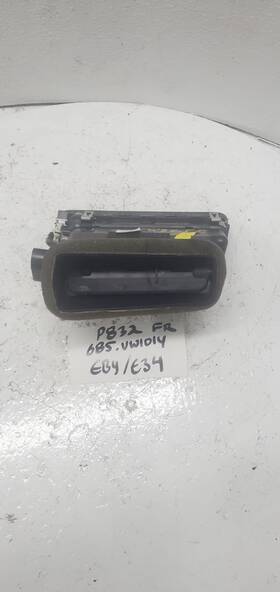
( Manufacturer Part Number: P832 ), ( Part Type: Heater Vent ), ( Oe/oem Part Number: 685 ), ( Color: Black ), ( Features: Easy Installation ), ( Material: Plastic ), ( Universal Fitment: No ), ( Placement On Vehicle: Right )
Review VOLKSWAGEN Front Right Dash Heater Air Vent Assembly fits PASSAT 2014
The **2014 Volkswagen Passat (PQ5 Platform, Model Code P832) Front Right Dash Heater/Air Vent Assembly** is a precision-engineered component designed to deliver optimal climate control within the vehicle s cabin. Crafted from high-quality, durable materials, this vent is integral to the Passat s HVAC (heating, ventilation, and air conditioning) system, ensuring efficient airflow distribution while maintaining the vehicle s sleek, modern aesthetic. The vent features a robust, die-cast aluminum frame, which is both lightweight and resistant to corrosion, ensuring longevity even in varying environmental conditions. Its smooth, contoured design integrates seamlessly with the Passat s dashboard, blending functionality with the car s refined interior styling. The vent operates in tandem with the vehicle s climate control system, allowing passengers to direct warm or cooled air precisely where needed whether toward the driver, front passenger, or footwell through a series of adjustable louvers controlled by the HVAC dials. Constructed with precision, the vent includes a secure mounting bracket system that aligns perfectly with the dashboard s structural framework, preventing rattles or misalignment over time. Additionally, the vent s internal airflow channels are engineered to minimize turbulence, ensuring a steady, even stream of conditioned air for passenger comfort. Whether used as an original equipment replacement or for a custom upgrade, this vent maintains the Passat s reputation for reliability and attention to detail, contributing to a driving experience that balances performance with comfort.
**Pros and Cons of Buying a 2014 Volkswagen Passat (PQ832) Front Right Dash Heater/Air Vent**
### **Pros**
1. **Common and Widely Available Parts** The 2014 Volkswagen Passat (PQ832) is a well-known model, meaning replacement parts for the heater/air vent system are readily available from dealerships, aftermarket suppliers, and online retailers. This reduces the risk of long wait times or difficulty sourcing components.
2. **Established Repair Guides and Tutorials** Due to the model s popularity, there are numerous step-by-step repair guides, videos, and forums (e.g., Volkswagen forums, YouTube tutorials) that can assist with installation, troubleshooting, or diagnosis. This makes DIY repairs more accessible for those with mechanical experience.
3. **Potential Cost Savings** Purchasing the part outright (rather than paying a mechanic s labor) can be significantly cheaper. For example, a replacement vent assembly or blower motor might cost $50 $150 from an aftermarket supplier, compared to $200 $400 with labor included.
4. **Compatibility with Aftermarket Upgrades** Some owners opt for aftermarket upgrades (e.g., high-flow blower motors, custom vent covers) that can improve airflow or aesthetics. The Passat s design allows for relatively easy modifications if desired.
5. **Resale Value and Reliability (Compared to Other Models)** While not the most luxurious or fuel-efficient vehicle, the Passat is known for its durability and solid build quality. If maintained properly, it retains decent resale value, which could be a factor if you plan to keep the car long-term.
6. **Accessible Location for Repairs** The front right dash area is relatively straightforward to access, especially if you re comfortable with basic automotive work. The vent assembly is typically held in place by clips or screws, making removal and replacement manageable for those with minimal tools.
7. **Potential for Bundled Deals** Some online marketplaces or salvage yards offer discounted parts when purchasing multiple components (e.g., vent blower motor hoses). This can further reduce costs.
---
### **Cons**
1. **Age and Wear** A 2014 model is now nearly a decade old, meaning the original heater/air vent system may already be worn out or failing. If the issue is electrical (e.g., faulty wiring, blown fuse) or related to the blower motor, these components may need replacement regardless of purchasing a new vent.
2. **Potential for Counterfeit or Low-Quality Parts** When buying from third-party sellers (e.g., eBay, Craigslist, Facebook Marketplace), there s a risk of receiving a used, refurbished, or counterfeit part. Always verify the seller s reputation, check for authenticity (e.g., matching VIN or part numbers), and consider purchasing from a reputable supplier (e.g., RockAuto, Dorman, or a local auto parts store).
3. **Labor Time and Skill Required** While the vent itself may be easy to replace, diagnosing the underlying issue (e.g., a failing blower motor, clogged filters, or electrical problems) requires some troubleshooting. If you re not mechanically inclined, you may need to pay for professional diagnosis, which could offset savings.
4. **Compatibility Issues with Modifications** If the car has been previously modified (e.g., aftermarket audio systems, custom wiring), the heater/air vent system might not fit perfectly or could interfere with existing modifications. Always check for compatibility before purchasing.
5. **Risk of Hidden Damage** If buying from a private seller, there s a chance the vent or surrounding components (e.g., dashboard trim, wiring harness) may have hidden damage (e.g., cracks, corrosion, or burnt wiring). A thorough inspection is recommended before purchase.
6. **Limited Warranty or Return Options** Unlike purchasing from a dealership or authorized parts supplier, buying from an individual or online marketplace often means no warranty or return policy. If the part is defective or doesn t fit, you may be out of luck.
7. **Potential for Additional Repairs** The heater/air vent system is interconnected with the car s HVAC (heating, ventilation, and air conditioning) system. If the issue stems from a failing blower motor, clogged cabin air filter, or electrical faults, these problems may persist even after replacing the vent. Addressing the root cause may require further investment.
8. **Environmental and Safety Concerns** If the vent is being removed from a salvage or scrap vehicle, ensure it hasn t been exposed to extreme conditions (e.g., fire, flood, or prolonged moisture) that could compromise its integrity. Used parts from such sources may not be safe or functional.
---
### **Conclusion**
Buying a replacement front right dash heater/air vent for a 2014 Volkswagen Passat can be a cost-effective solution if you prioritize affordability, accessibility, and DIY repairs. The model s popularity ensures parts availability, and the vent itself is relatively straightforward to replace. However, the decision comes with risks, particularly if the part is purchased from an untrusted source or if underlying issues (e.g., electrical, mechanical) aren t addressed.
For those with mechanical experience and access to reliable parts suppliers, this can be a smart, budget-friendly upgrade. For less experienced buyers, it may be worth weighing the potential savings against the time and effort required to diagnose and resolve any related problems.
---
### **Recommendation**
1. **Verify the Part s Condition and Source**:- If possible, inspect the vent in person before purchasing. Check for cracks, burns, or signs of wear.
- Buy from a reputable supplier (e.g., RockAuto, Dorman, or a local auto parts store) if possible, as they often provide warranties or return policies.
2. **Diagnose the Root Cause**:- Before replacing the vent, ensure the issue isn t related to the blower motor, cabin air filter, fuse, or wiring. Test the blower motor and check for blown fuses (e.g., fuse #30 or #31 in the Passat s fuse box).
- If the problem persists after replacing the vent, consult a mechanic or use an HVAC diagnostic guide.
3. **Consider Professional Help for Complex Issues**:- If you re uncomfortable with DIY repairs or the problem extends beyond the vent (e.g., electrical faults, refrigerant leaks), consult a Volkswagen-certified mechanic. This may cost more upfront but could save time and frustration.
4. **Budget for Additional Costs**:- Account for potential extra expenses, such as tools (e.g., trim removal tools, socket set), labor if hiring a professional, or replacement of related components (e.g., blower motor, hoses).
5. **Explore Alternatives**:- If the vent is the only failing component, weigh whether repairing it is worth the effort. If the car has multiple HVAC issues or is otherwise unreliable, consider whether it s more cost-effective to invest in a newer vehicle.
**Final Verdict**: If you re confident in your ability to diagnose and install the part correctly and have sourced it from a reliable supplier, purchasing a replacement vent can be a practical and economical choice. However, proceed with caution, especially if buying from an individual seller, and be prepared for potential follow-up repairs. For those without mechanical experience, consulting a professional may be the safer option.
Details:
Model: PASSAT.
part #: p832 prices
- $40.00-$45.00
specifications interiocatruc:
- for models: Passat
- for makes: Volkswagen
- for years: 2014
- mpn: P832
- part type: Heater Vent
- oe/oem part number: 685
- color: Black
- features: Easy Installation
- material: Plastic
- universal fitment: No
- placement on vehicle: Right
returns interiocatruc:
- paid by: Buyer
- policy: Returns Accepted
- time: 14 Days
offer interiocatruc:
- started: February 14, 2026
- availability: In Stock
- quantity: 1
- options: Ship-to-home
- best offers: True
- sold: 0
general interiocatruc:
- condition: Used
- Interior Parts Accessories > Dash Panels Glove Boxes > Dash Panels
shipping interiocatruc:
- service: USPS Ground Advantage
- carrier: USPS
- cost: $15.00
- class: Standard
- transit: 6-12 Days
- type: Fixed
seller interiocatruc:
- city: Winston-Salem, North Carolina
- rating: 98.6%
- # reviews: 494
payments interiocatruc:
- other
- credit card: Mastercard
- wallet: Apple-pay
Volkswagen P832 Is Similar To:
- 1c0035244g Volkswagen Vw Oem Beetle Stereo Audio Bracket Right (36.6% similar) All airbag modules are also non returnable...(March 11th, 2018)
- 1j0035119a Volkswagen Vw Cabrio Jetta Golf Passat Slave Cd Player Oem (40.6% similar) Excellent condition...(March 29th, 2019)
- 1jm035157p 177208481lkq Volkswagen Jetta Golf Passat Monsoon Am Fm Cd Cass Radio (38.9% similar) No antenna, DVD disc, or wiring is included, unless stated above. XML Sirius instar other satellite equipped components: listing will not include service from these providers. If an optional antenna is needed, it will not be included unless stated. Verify with dealer on mach monsoon radios, and ...(December 16th, 2018)
- 1k0 947 419 A Volkswagen Door Panel Light Reflector Vw Passat (29.2% similar) Fit on many VW years and model's. Used door panel light reflector VW passat Etta rabbit golf GTI MK5 MK6 1K0 donor car se 4220 mi please see pictures of the actual item for details. Sell as seen on the pictures...(November 9th, 2018)
- 1k00350180g 87521711lkq Volkswagen Passat Radio Cd Player Satellite Oem (41.4% similar) No antenna, DVD disc, or wiring is included, unless stated above. If an optional antenna is needed, it will not be included unless stated. XML Sirius instar other satellite equipped components: listing will not include service from these providers. Just because it looks like will fit, doesn. If a ...(August 28th, 2018)
- 1k0035180c Volkswagen 06-10 Passat Golf (42.6% similar) If you are not sure what model, plugs, sound system need. Major refers to deep gouges, faded buttons,component not working, lights out etc. Some dealers charge for this service and do not. This cannot be seen once installed. Part numbers, plugs, and sound systems vary greatly. Contact dealer to get...(May 7th, 2017)
- 1k0906093e Volkswagen Vw Passat Fuel Pump Control Module Oem (45% similar) ...(March 31st, 2019)
- 1k0959702l 05-08 Volkswagen Jetta Right Front (40.4% similar) Return shipping is not included...(March 5th, 2017)
- 1k1723503ar Passat 14 Volkswagen Vw B7 Interior Foot Gas Accelerator Pedal 299.vw1o14 (32.5% similar) Fully functional item. Fully functional item. Item might have slight damage and or heavy wear and tear. No expedited shipping is available. This supersedes all conditions. The cosmetic quality if applicable is not taken into consideration. Might have minor cosmetic scratches and or scuffs. Will have...(April 29th, 2016)
- 1y0035244h Volkswagen Vw Oem Stereo Audio Speaker Bracket Right (34.8% similar) Est, Mon to Fri. All airbag modules are also non returnable...(August 13th, 2018)
- 1y0885663a Volkswagen Vw Beetle Convertible Front Back Left Right Head Rest (44.4% similar) Gray in color ships insured to the lower 48 only. A nice clean set of factory beetle headrests. Up for sale. No rips or stains used but, they look new...(August 3rd, 2018)